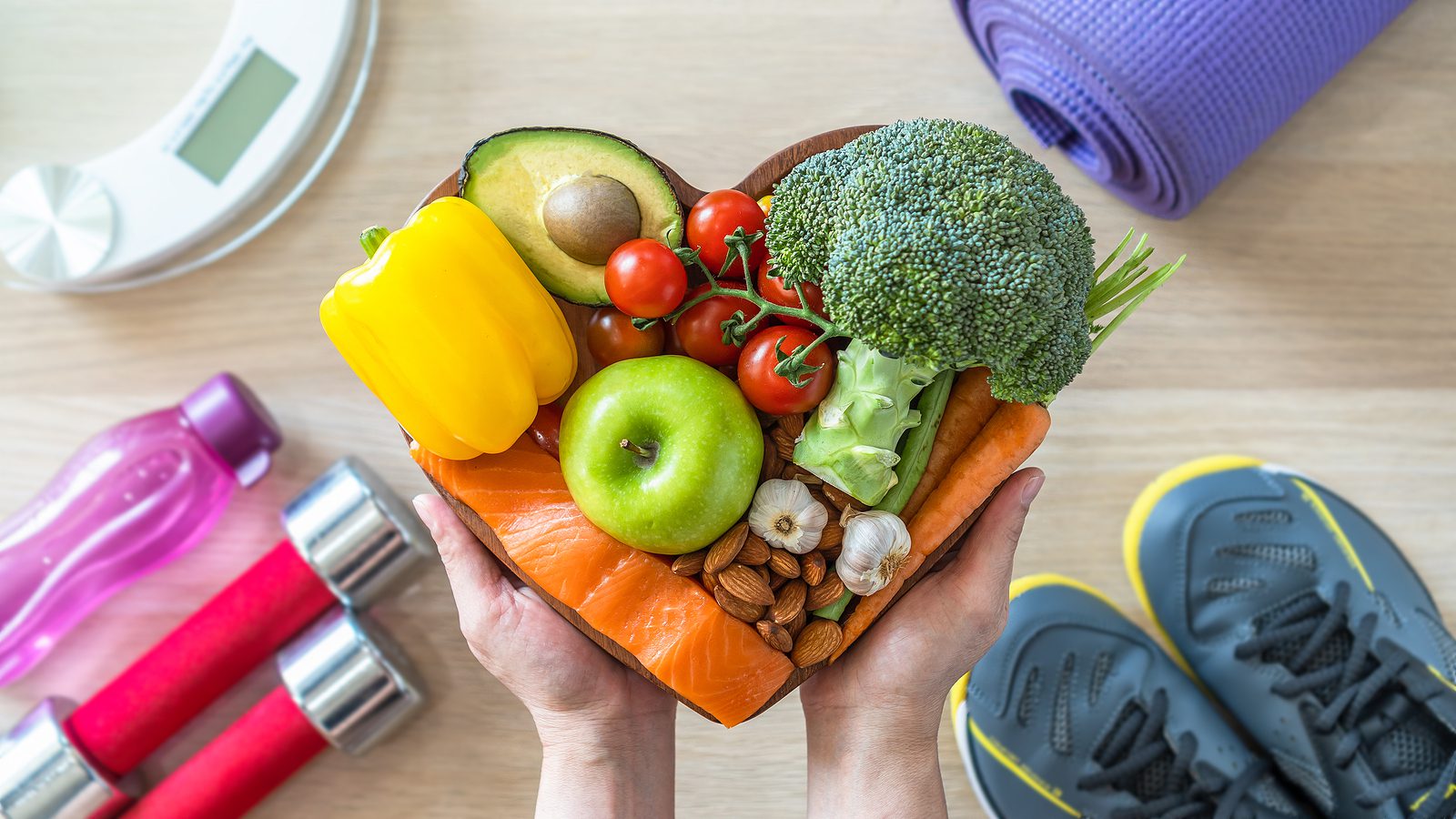
Most fitness goers know that you can’t outwork an unhealthy diet. Even if you stay within the range of calories required for you to achieve your fitness goals, a diet devoid of whole, natural foods will have you missing key nutrients and losing out on gains in the gym.
What is a “Whole Foods” Diet?
A true “whole foods” diet consists of only foods that are one ingredient and unprocessed. Technically, anything you do to a food to make it edible falls under the umbrella of processing. For example, grain would need to be milled, which is a process, meanwhile an apple can be plucked off a tree and eaten straight away, no processing required. Butchering, refrigeration, and other minimal processes like those are not typically counted when considering which foods are processed. Depending on who you ask, other minimally processed foods could include yogurt, ghee and butter, milk, rice, etc. Other processed foods include wheat products (bread, pasta), sugar, and foods that contain additives or preservatives.
How Does a Whole Foods Diet Help in the Gym?
When you stick to foods in their natural form, your body gets more of the benefits. Oftentimes processed foods are stripped of things like fiber and micronutrients, which are important for satiety and ensuring your body is receiving what it needs. Many processed foods commonly have added sugar and/or salt, which can mess with your body’s hunger signals, glucose levels, and water retention. Think of the example of fiber: eating one apple is much more filling than drinking a glass of apple juice. The fiber in the apple takes up more space in your stomach, but it improves digestion and mitigates glucose spikes. Additionally, whole foods are more filling, which can be helpful for weight loss goals.
What Foods Should You Choose and Avoid?
On a whole foods diet, you should avoid foods that stray from their natural state. Prioritize foods that are unprocessed or very minimally processed like meat and fish, vegetables, and fruit. Avoid foods that have long lists of ingredients, hydrogenated oils, excess added sugars, and especially ingredients you cannot pronounce or don’t know what they are. A good rule of thumb is if the ingredient list takes more than a couple seconds to read, it’s a no-go, especially if the font is so small you have to squint to read it!
Consider switching and committing to a whole foods diet and seeing what it can do for your gym progress!
Shannon McGoey, CPT is a personal trainer at Merritt Clubs Eldersburg.