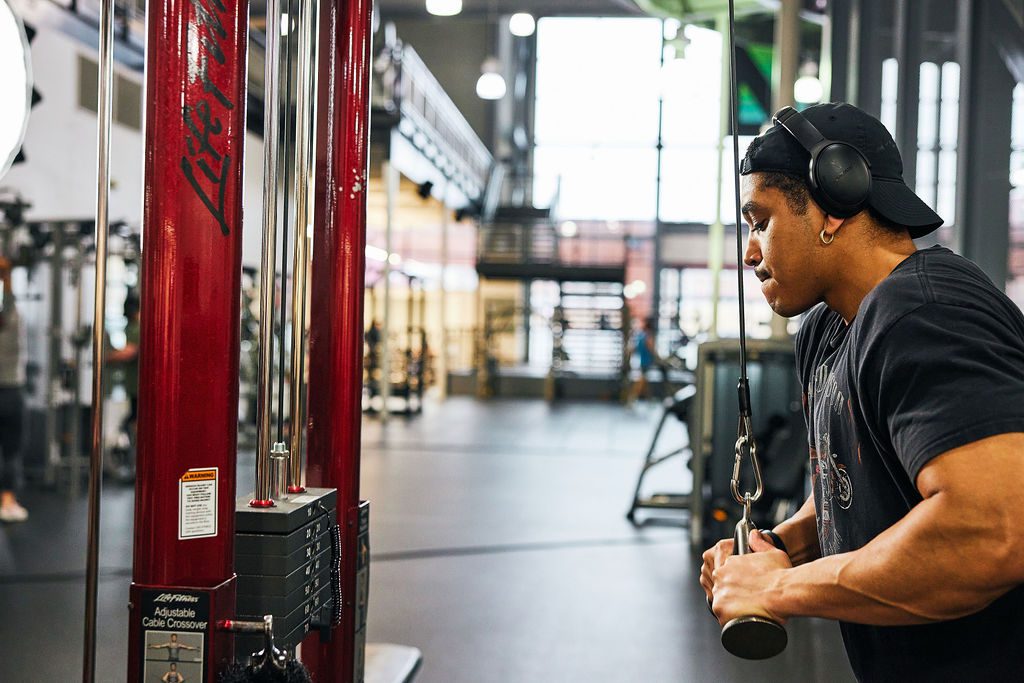
Strength training is for nearly every age. But once we reach certain milestones, are there certain things to prioritize? After turning 40, here are four things to focus on, and one thing to avoid.
Prioritize
Bone Density
As we age, our bone density begins to decrease. Aside from ensuring you have adequate vitamin D intake, weight-bearing exercise is the only thing that increases bone density (NHS UK, 2022). Weight-bearing exercise can look like many things, including but not limited to running, dancing, walking, and of course strength training. As with muscle, increased demands on the body’s bones stimulates bone growth.
Muscle Mass
Similarly to bone density, muscle mass also decreases as we age. As strength demands increase, our body will work to build more muscle. Prioritizing maintaining (or even building) muscle mass helps protect against age-related disease (Demontis et al., 2013).
Stability and Balance
More than 1 out of every 4 older adults have a fall each year, and over 1 million fall-related hospitalizations occur every year (CDC, 2024). Balance and stability are paramount to reduce the risk of falling. Recovery time from injury increases as we age, therefore fall prevention can help decrease complications associated with extended injury recovery time.
Mobility
Lastly, mobility proves to be important through all stages of life, especially in our later years. Mobility is an essential component of functional fitness: fitness that applies to our daily lives. Climbing up and down the stairs with ease, getting up from and sitting down in a chair, carrying in groceries from the car or taking bins off shelves: these are all examples of functional fitness that requires mobility.
Less focus on
Heavy PR’s
Although there are many success stories of people achieving lifetime bests and personal records in lifting well into their later years, this is typically not the time to try to lift heavier than ever before. As muscle quality decreases with age, so does strength (Abe et al., 2016). When attempting personal records for weight lifting, there is an increased risk of injury. As discussed earlier, recovery time increases as you age, meaning a lifting-related injury could have you out of the gym longer than it might be worth it. When attempting personal bests in the gym, choose wisely and ensure you are warmed up, using proper technique, and have spotters on standby.
References
CDC (2024). Facts about falls. Older adult fall prevention
NHS UK. (2022) Osteoporosis: Prevention. National Health Service