Fitness wearables. Supplements. Weighted sleep masks. Cold showers. Sauna. “Superfoods”.
Did I get your attention? You might be an “optimizer,” looking to maximize your health and fitness gains wherever possible. In a world where trends come and go–don’t get me wrong–I love to see people engaging with ways to be healthier. Lately, though, I’ve found many people worry too much about “optimizing” before getting down the basics.
What is Optimizing?
In short, “optimizing” or “maxxing” refers to doing everything that you can to achieve the most ideal outcome. This can refer to many things, like beauty, health, finance, fitness, etc. In the fitness space, it often looks like tracking lots of metrics, eating only specific foods, executing certain exercises, and purchasing niche products to help improve your fitness. The idea is to do everything in your power to reach your full potential, which is an idea I would usually get behind. The problem comes when a growing list of products become “necessary” to achieve the outcome.
The Dark Side of Optimizing
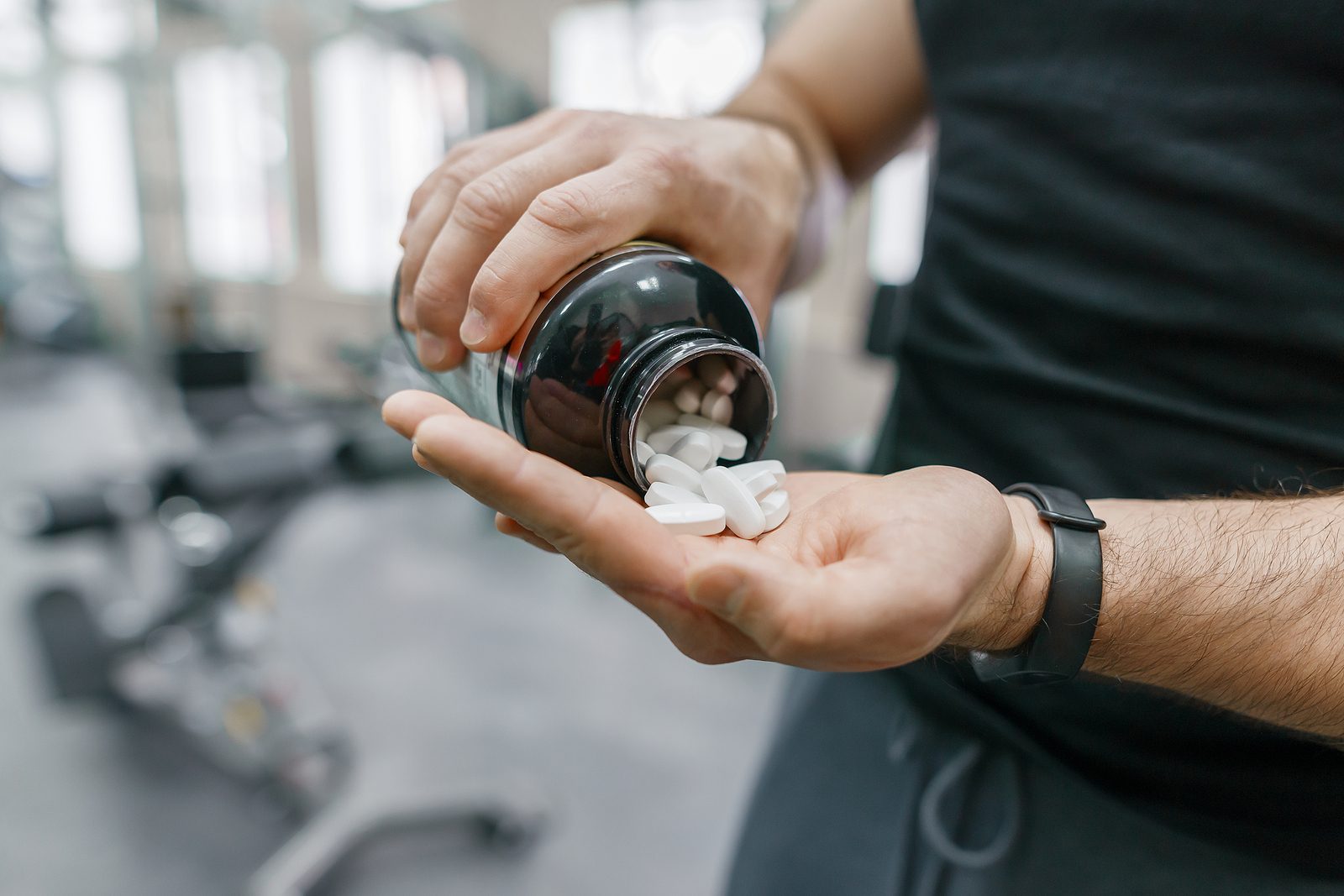
Any successful business owner knows that the right product meets a consumer need, especially one driven by an issue. Don’t get enough fiber? Buy our fiber supplement! Protein? We have that too! Micronutrients? Buy a bottle of each one. Don’t sleep well? Buy a special eyemask, or mattress, or fitness wearable to track your sleep. The point is; there will always be a gap to fill, and when it comes to our health, we want to try our best to meet that need. The thing is, we are complex creatures designed to live without extra things. So, how do you improve your health without buying what they’re selling?
1. Choose a Few Core Rocks
It’s very difficult to do it all, especially when you’re just getting started. Focus on choosing what’s most important to you now, and building on that later. Choose an area of focus (sleep, diet, non-exercise movement, in-gym movement, stress reduction, etc.) and start there. Find the standard (e.g., eight hours of sleep per night, three days of strength training each week) and do your best to achieve that consistently. Then, do it for a long time.
2. KISS: Keep it simple, stupid!
The answer to your problems is almost always boring and un-sexy. Have a workplace conflict? Talk it out. Not getting enough sleep? Go to bed earlier. Gaining weight? Eat less, move more. There are always exceptions, but you’re not the exception unless you’ve already truly tried the simple solution. There will always be someone to sell you something to fix your problem, but start with what you can do on your own first. A whole foods diet, moving more, intentional gym sessions several days per week, and sleeping well will set you on the right path. Now do it until it’s so boring it has become second nature.
3. I’ve Done All the Simple Stuff–What Now?
If you’ve built solid, consistent habits with the basics for several weeks, you should be seeing some progress. If your progress is continuing, stick with it! Once you reach a plateau, then you might want to consider investigating some bells and whistles to add to your routine. The reality is, the basics will carry you very far for a long time (years, people!). In most cases, you don’t need additional products to be healthy. Now, for some, fitness becomes a hobby, and buying accessories and products is a fun way to spend some disposable income. That’s great! There are definitely worse things to spend money on. Know that it’s just that–an accessory–not the step one solution.
If you’ve been consistently executing the basics and nothing has happened for you, I would refer you first to a professional before recommending purchase of supplements and gadgets. A personal trainer would be a great first person to go to if you’re not getting the results you want on your fitness journey. They have specialized training and the experience to tell you what’s normal and expected, what can be modified, and when you might need some outside help. I’ve found some of my clients struggle with fat loss, just to refer them to a doctor and find they’re struggling with hormone issues or other underlying problems. It’s always great to get a second opinion or referral. From there, the professional might recommend some products or things for you to try to make some positive motion.
In the end, optimizing can make fitness fun. If you need fitness to be fun again, it won’t hurt you (maybe just your wallet) to follow the trend. Keep always in mind that the core of health and longevity will be the simple answer: eat well, move your body, and give it time to recover.