When people mainly think about protein, they traditionally think about chicken, steak, pork, eggs etc. But recently, plant-based proteins seem to be top of mind. If you read any of my other blogs you might be like… “James- what would you know about plant-based proteins, you are a powerlifter you need meat” I usually reply with ‘most of the strongest mammals on the planet don’t eat meat or rarely do’. This would include African Bush Elephant, Gorilla, Buffalo, and to make a joke ‘Strong as an ox’.
Personally, I made the change roughly about 13-14 years ago and started my journey as a pescatarian. There are other options if you choose to explore.
1. Vegan- No food derived from animals and who typically does not use animal products… this includes honey and Jello.
2. Vegetarian- not eating, using or containing meat or fish.
3. Pescatarian- Allowed Seafood, milk, eggs and cheese. (No pork, steak, hatched chicken etc.)
4. Flexitarian- someone who is primarily on a vegetarian diet but will occasionally eat meat or fish.
Before I continue, I would like to note that my intent is not to stop you from consuming meat products, it’s mainly to share some lifestyles that might be beneficial.
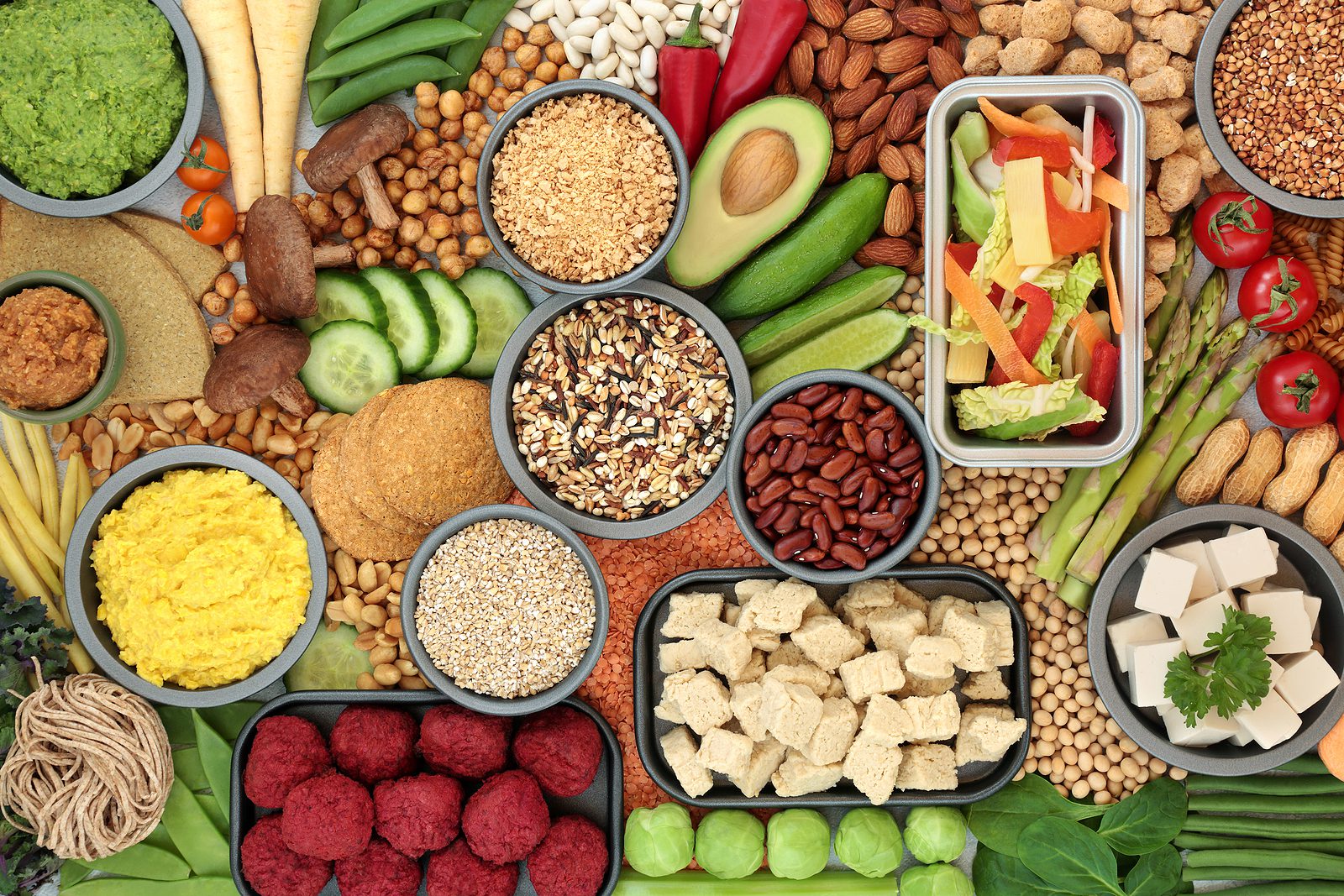
From what I have seen, meat substitutes are hot topic. Here is a few sources of plant protein:
– Beans, Lentils, and Edamame
– Tofu, tempeh, and seitan
– Nuts, seeds, and Chickpeas
– Whole grains like quinoa or buckwheat
Most of the plant proteins contain fiber, antioxidants, healthy fats and phytonutrient beneficial compounds normally not found in meat or diary products. Depending on your fitness goals, it’s a win: win! It helps you fuel your body, but it also supports it for long-term health.
How much protein do you need?
The recommended protein allowance is about .80 grams per kilogram of your body weight for most adults. Those who are physically active or over 50 years old, some research suggestions 1.0 to 1.6 grams per kilogram.
So, if you are a 150 lb. person, you need about 55-110 grams of protein per day.
Benefits of plant-based diets.
1. Heart health. Plant proteins are for the most part free of cholesterol and typically lower in saturated fat. Eating items such as legumes, nuts and seeds are linked to better heart health.
2. Gut Health. Higher fiber proteins like lentils and chickpeas promote digestive health with regularity and support in growing healthy gut health.
3. Weight management-Plant proteins often tend to be lower in calories and higher in fiber, meaning that you should feel full longer and curve you want of snacking (depending on the person, sweets or salty).
4. Reduced risks of chronic diseases- Studies have shown that high in proteins could lower the risk of obesity, type 2 diabetes and certain cancers.
Embracing plant-based protein lifestyles isn’t for everyone and I understand that. But increasing your planet-based protein can help with the benefits listed above, increase your current protein intake.
If you would like to write a follow up blog about my experiences with going ‘plant based’ shoot me an email at jmerritt@merrittclubs.com.
Until the next one!