Regardless of your goals, you’ve probably been told at some point that you should be tracking your food or counting your calories. A question I get a lot, though, is do I have to? In many cases, no, you don’t have to. Let’s talk about situations where it could be helpful, or harmful, to track your food.
Ways to Track
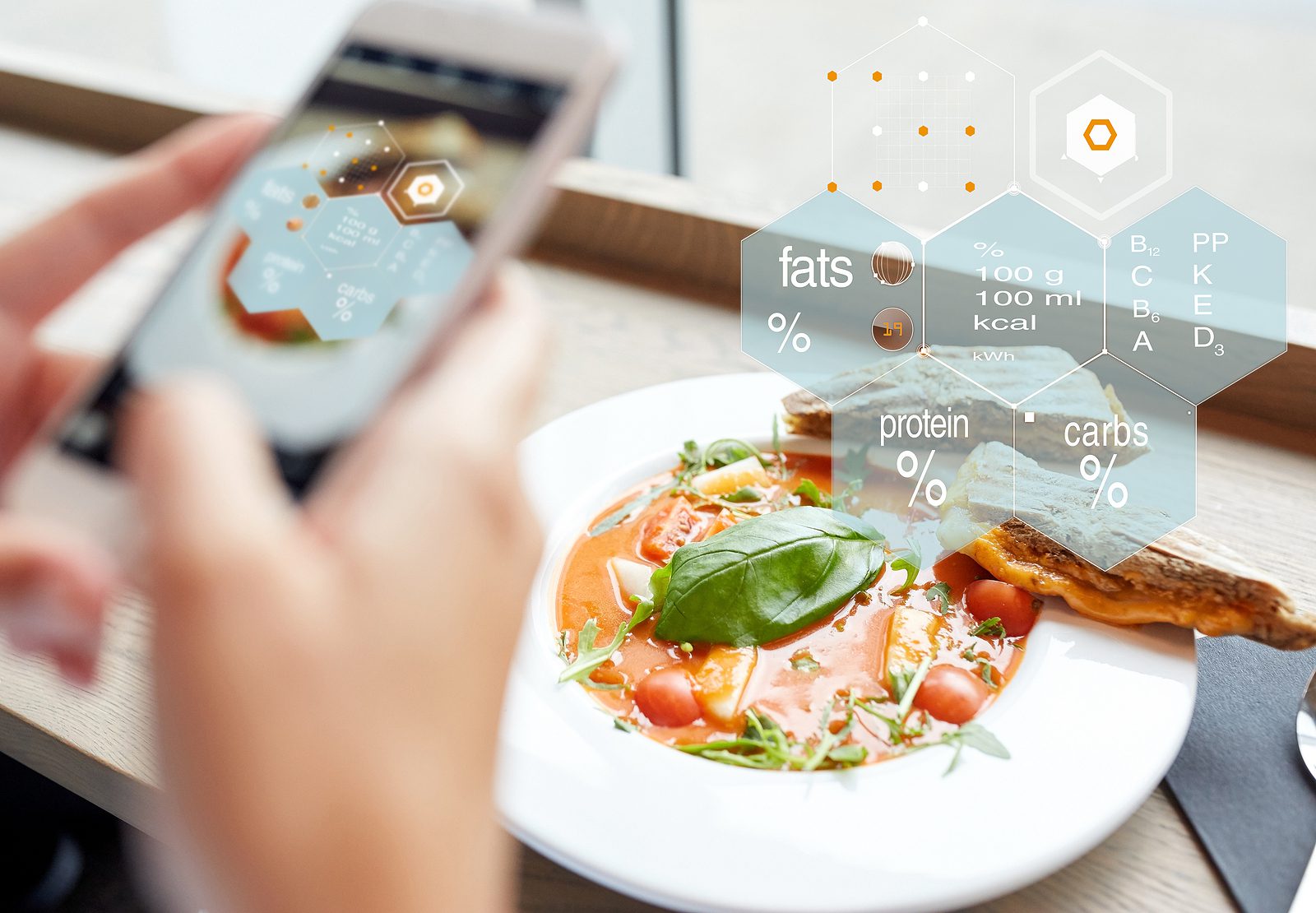
First of all, it’s important to know that there are many different ways to track your food. Tracking doesn’t necessarily mean counting calories! It could mean tracking macronutrients (protein, carbs, and fat), micronutrients (vitamins and minerals), or even things you want to limit for any reason, such as sugar, salt, or saturated fat. Additionally, tracking doesn’t have to mean weighing your food. You could track your food in ounces, servings, or even by eye-balling it, such as with the “deck of cards” method for protein.
Lastly, food doesn’t have to be measured at all! You could simply log the foods that you’re eating and how you feel after eating them. This is a great option for anyone struggling with GI distress, fatigue before or during workouts or throughout the day, or symptoms that could be further related to diet.
When to Track
If you are trying to lose body fat, build muscle, or fuel for a sport/race/competition (especially endurance events), you might want to consider tracking your food! If you aim to lose body fat, you should focus on being in a calorie deficit. This means that you eat 200-300 calories below you TDEE: Total daily energy expenditure. Additionally, you should prioritize eating protein, as it has a higher thermic effect of food (TEF), meaning it takes more energy for your body to digest compared to other macronutrients (Sutton et al., 2016). For those trying to build muscle, a high-protein diet should also be prioritized in conjunction with resistance training to aid in increasing lean body mass (Wirth et al., 2020). In addition to eating enough protein, those trying to build muscle need to eat in a caloric surplus, eating 200-300 calories more than their TDEE. And lastly, for people training for a sport, race, or competition and particularly for endurance athletes, tracking food can be helpful in ensuring that they are properly fueled and to avoid negative effects like RED-S (Relative Energy Deficiency in Sport). Ensuring you have enough carbs helps prevent fatigue during workouts by keeping up your glycogen stores (Naderi, 2023).
When Not to Track
It goes without saying that if you are experiencing any disordered eating symptoms, you must consult with a healthcare professional (i.e., dietitian, doctor, therapist) before tracking or weighing your food. Individuals who are prone to perfectionistic, sensation-seeking, and obsessive-compulsive behavior are at higher risk of being negatively affected by using calorie-tracking apps (Cassin & Ranson, 2005, as cited by Gil, 2023). If you find yourself preoccupied with whether you are over or under your calories, or if “messing up” one day throws you off and causes you to spiral, it’s probably time to delete the tracking app and focus instead on the deck of cards or palm method for tracking protein, or even keeping a generic food log of what you ate and how it made you feel. Or, even simpler, just prioritizing whole foods!
References
Gil, C. (2023, May 9). The trouble with tracking. Duke Psychiatry & Behavioral Sciences.