Vacation and dieting usually feel like they’re fighting each other.
You’re surrounded by restaurants, desserts, drinks, and food you don’t normally get at home. One big meal turns into, “Well… I already messed up today, so I might as well go all in.” Before you know it, the whole trip becomes a cheat week and you come home feeling guilty, bloated, and frustrated.
But honestly? It doesn’t have to be that way.
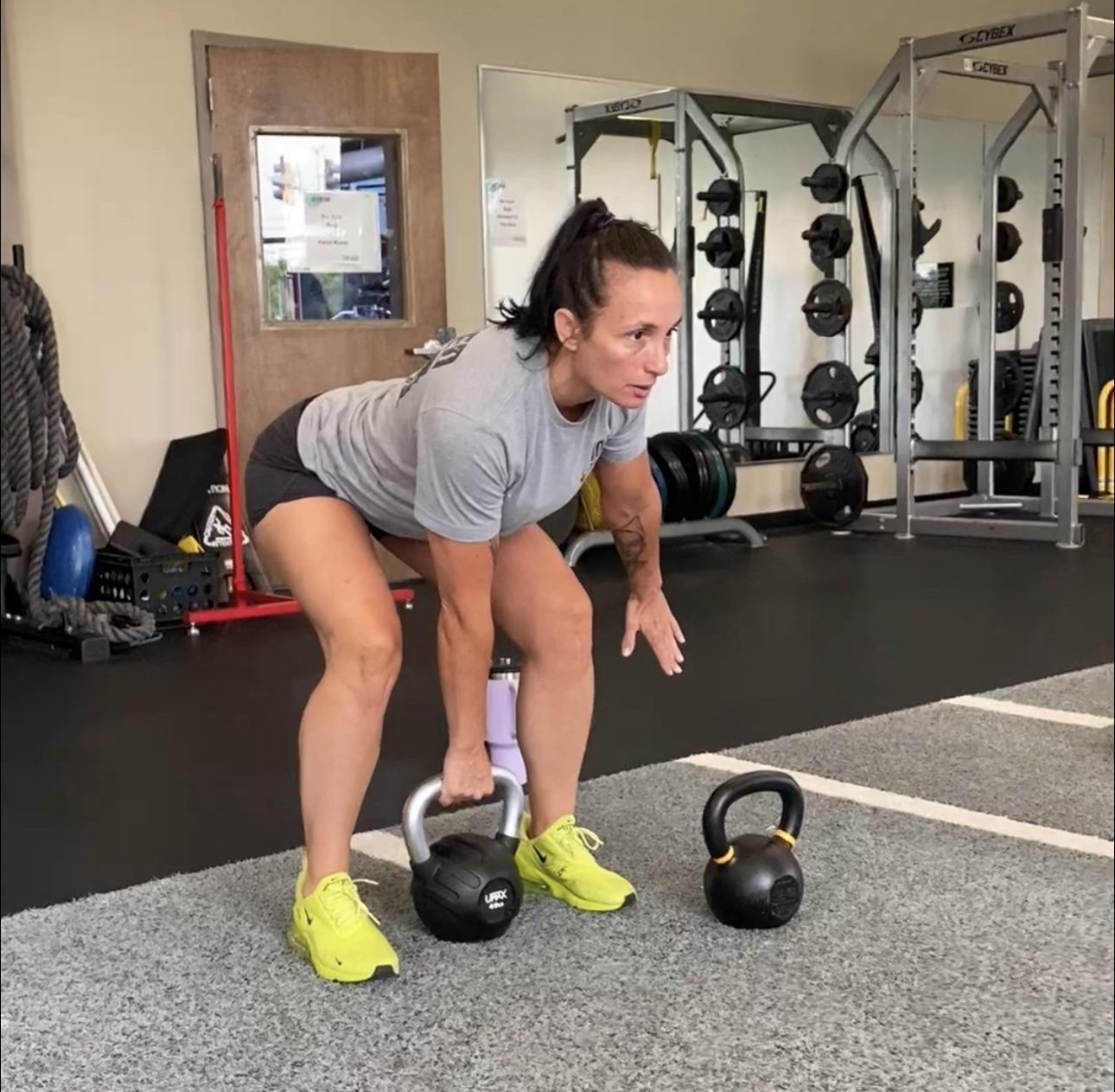
Take it from me, a personal trainer who used to be way too strict on food, thinking a single donut can ruin a weeks’ worth of dieting and progress in definition. I didn’t factor in my lifestyle, my workouts and my weekly calorie intake vs. daily calorie intake.
Stop Thinking You “Ruined” Your Diet
One meal doesn’t destroy your progress.
Just like eating one salad doesn’t magically make you fit overnight, having burgers, pasta, or dessert for a couple meals won’t suddenly erase months of work.
I had a mindset of: “If I eliminate sugar, snacks of any kind and just eat chicken, fish, turkey, I will get shredded and feel great”. And I did that. I got shredded—but did not feel “great”. My look was shredded but not visually popping. My lack of carbs made me look flatter. I was definitely grumpier and not pleasant to be around and I didn’t take in the absolute most important thing: calories in vs calories out after working out.
I’d burn 1,000 active calories a workout, my base in-take while not being active was just 2,500 calories. That was maintaining what I currently had with a small workout or active lifestyle. It was anything but a semi-active lifestyle.
But to cut I was eating around 2,000 calories a day theoretically that gave me a 500 calorie deficit. But I also did not take into account the extra calories I burned and how active my body was being. And when I realized I needed to take those into account I was much further in a calorie deficit.
Want shoulders to pop in the sun? Want the six pack to really shine? Well you better eat more to lose more. Sounds counter productive but it is true. On a cut your body wants to save and conserve energy so calorie burning is actually less throughout the day. Yet I still worked out like I was fueling myself on carbs, fats, and anything else I wanted to eat that day.
My body on a good bulking day where I was still leaner than most (2,900 calories a day to build muscle and stay lean) would burn around 230 calories to 300 calories in a half hour. When I cut so did my burn rate, went from 230-300 to barely over 180 sounds small but when the goal is to burn FAT that you still have then that is a very big deal.
That means my body is basically shocked into saving fat, conserving energy because I was under fed, over worked and not optimal in protein/carbohydrate/fat ratio. I did zero carbs, very little fat but 200 grams of protein.
You Don’t Need to Track Every Calorie
Your body needs fuel to burn fat. Convert that fat into energy and it’s going to be gone. You don’t, then your body converts the protein into the energy and what stores protein? Muscle.
When your body starts utilizing muscles as a protein source, then it doesn’t matter what goal you have—bodybuilding, strength training, yoga or HITT; you are going to start to suffer physical stress.
Build Meals Around Protein First
One of the easiest ways to stay on track without feeling restricted is simply making protein your anchor.
Chicken, fish, steak, eggs, Greek yogurt—whatever works for you.
Protein helps keep you full, makes it easier to control cravings, and helps maintain muscle while dieting.
You can still enjoy carbs, drinks, and desserts. Just don’t have every meal include a sugar source. Also, have a weekly calorie goal you don’t need to be strict every day as long as your weekly goal is somewhat close.
Perfect example: I went out and ate pizza with friends and ate nearly 800 calories over what I had as a goal for that day. Made it up by having a little less fat and carbs the next two days. My weekly goal was still the same.
Make Your Goals Fit Your Vacation, Not the Other Way Around
If you don’t enjoy your vacation, you won’t enjoy the results of the vacation. So have fun, explore food, have a guilt free trip.
A lot of vacation weight gain is temporary anyway—extra carbs, sodium, restaurant food, and alcohol can make you hold water for a few days. That doesn’t mean you suddenly gained five pounds of body fat. If your plan only works when life is perfect, then it’s not really sustainable.
Real life includes vacations, birthdays, dinners out, holidays, and weekends.
Learning how to enjoy those things while still making progress is what long-term success actually looks like.
Not perfection.
Not restriction.
Not guilt.
Just balance and consistency over time.
Doug Robinson is a trainer at Merritt Clubs Canton.