There’s a new name for a condition affecting one in eight women: Polycystic Ovary Syndrome has been renamed as Polyendocrine Metabolic Ovarian Syndrome in hopes to better diagnose women experiencing symptoms of weight gain/difficulty losing weight, irregular periods, increased acne and facial hair caused by fluctuations in hormone levels (Endocrine Society, 2026; Franciscan Health, 2026). Aligned with the new name, PMOS also can come with symptoms of skin tags in the armpits or on the neck and darkened skin in creases of the body (Franciscan Health, 2026; Cleveland Clinic, 2024).
Working out with PMOS
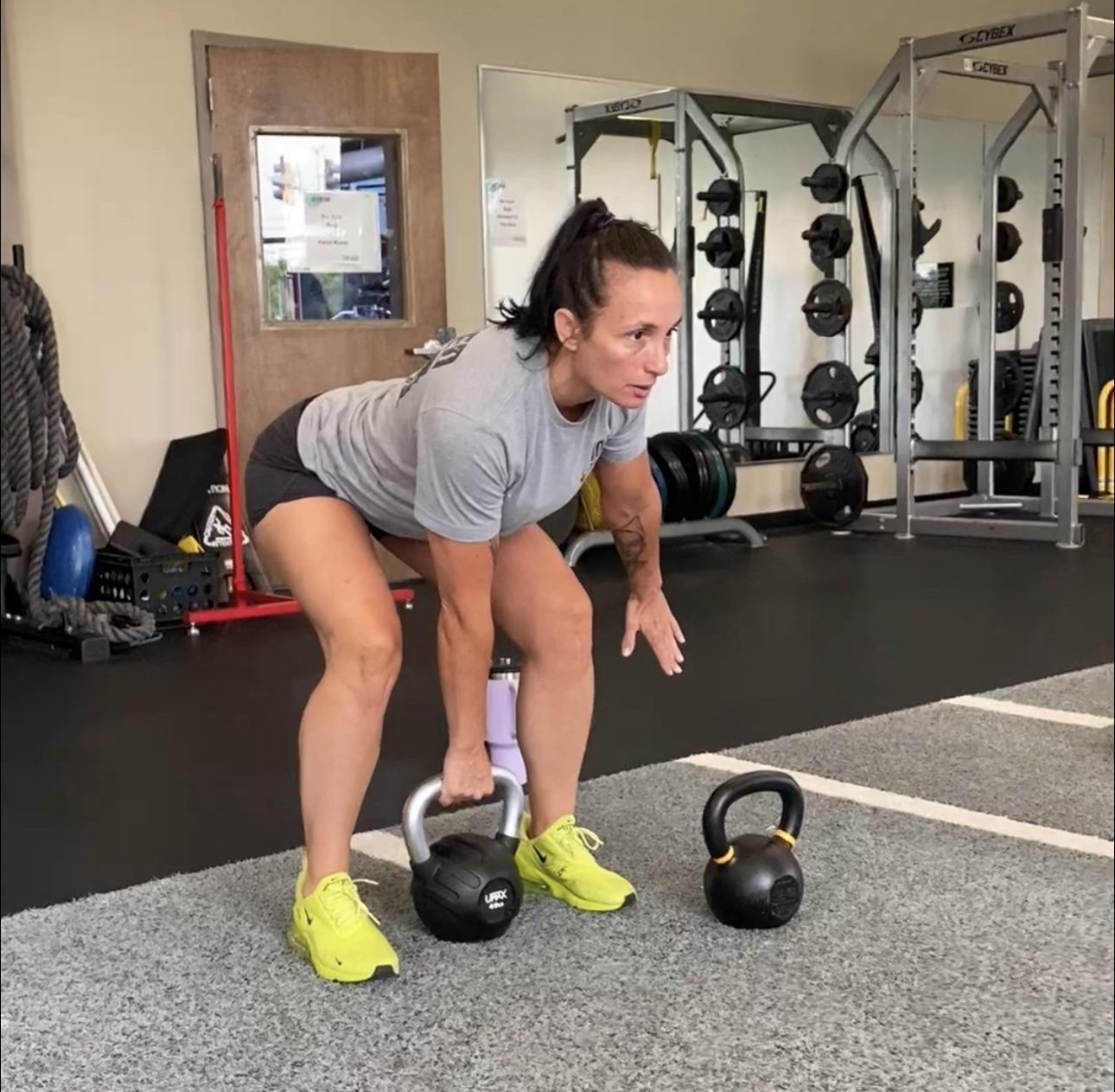
Although the name has changed, guidelines for working out with PMOS remain consistent with general recommendations for regular exercise and sustainable weight loss, if that is a goal. Especially for people with PMOS, regular exercise is recommended and encouraged to help with symptom management (Patten et al., 2020). 120 minutes or more of vigorous exercise per week is recommended for improving health in women with PMOS, which also helps with negative metabolic adaptations linked to the syndrome (Patten et al., 2020).
What Exercise is Enough?
It can be difficult to judge what “vigorous exercise” means, especially if you are not used to exercising. Vigor can be determined by the talk test, where light exercise denotes no change in speech, moderate exercise makes it somewhat more challenging to talk but still allows for regular conversation, and vigorous exercise prevents the individual from speaking more than a few words without pausing for a breath (Mayo Clinic Staff, 2023; Centers for Disease Control and Prevention, 2025). While 120 minutes or more of vigorous exercise per week is recommended, additional moderate and light exercise is beneficial as well.
References
Cleveland Clinic. (2024, November 21). Insulin resistance: What it is, causes, symptoms & treatment.
Franciscan Health. (2026, March 12). Polycystic ovary syndrome (PCOS) symptoms & treatment.
Mayo Clinic Staff. (2023, August 25). Exercise intensity: How to measure it. Mayo Clinic.
Shannon McGoey is a trainer Merritt Clubs Eldersburg.