Searching for the most effective workout can take time. Every avid gymgoer has their idea of what works and what doesn’t. The goal to find the one modality that will help with cardiorespiratory fitness, strength training, endurance training, and even weight maintenance can be very exhausting at best. There is such a workout that combines the elements above, as well as many others. The workout that covers them all is Boxing and Boxing training. No other mode of training has built into its workout the most sought-after goals of nearly every fitness enthusiast. What makes this training mode so effective? Well, read on.
The beginnings of boxing can be traced back to the ancient Sumerian and Greek periods. By the year 688 B.C.E., Boxing was added to the Olympiad, as Fighters used leather to wrap their hands for protection (Chambers). As the sport evolved, boxing and being paid became commonplace, thus the term “prize fighter”. There have been many notable boxing champions: Jack Johnson, Rocky Marciano, Joe Louis, Muhammad Ali, Mike Tyson, Sugar Ray Leonard, and Floyd Mayweather, to name a few. In recent history, watching fictitious heroes like Rocky Balboa and Apollo Creed train and perfect their bodies became a craze.
When you dissect boxing, every thought the practitioner has is to be better than their opponent in the ring, and for many, to be personally better after each workout. To win any fight, you either knock out your opponent or you outlast them and win by points. To achieve this feat, think of everything as a round of training:
Round One: Endurance – Every boxer needs endurance. Two of the best ways to increase your endurance are through “road work” or running. Indoors or outdoors, it doesn’t matter if you clock in between 3-5 miles 3-5 times per week.
Round Two: Interval training – This can be achieved in different ways, such as running, ring work, or jumping rope. In fact, jumping rope is so effective that it is reported that one can burn up to 10 calories per minute. (Tobin)
Round Three: Shadow boxing – Proper practice makes perfect. Working on a balanced stance is the foundation of boxing. From this position all movements derive. Spending time working on advancing, retreating, and “working the angles” challenges the mind and body. Shadow boxing is also where punch speed, and defensive moves like the slip, the roll, and the bob and weave are performed as combinations are improvised based on in-ring situations. As a rule of thumb, Shadow boxing is done in front of a mirror or in low-light areas, with the intention of outwitting or boxing your shadow, hence the name shadow boxing.
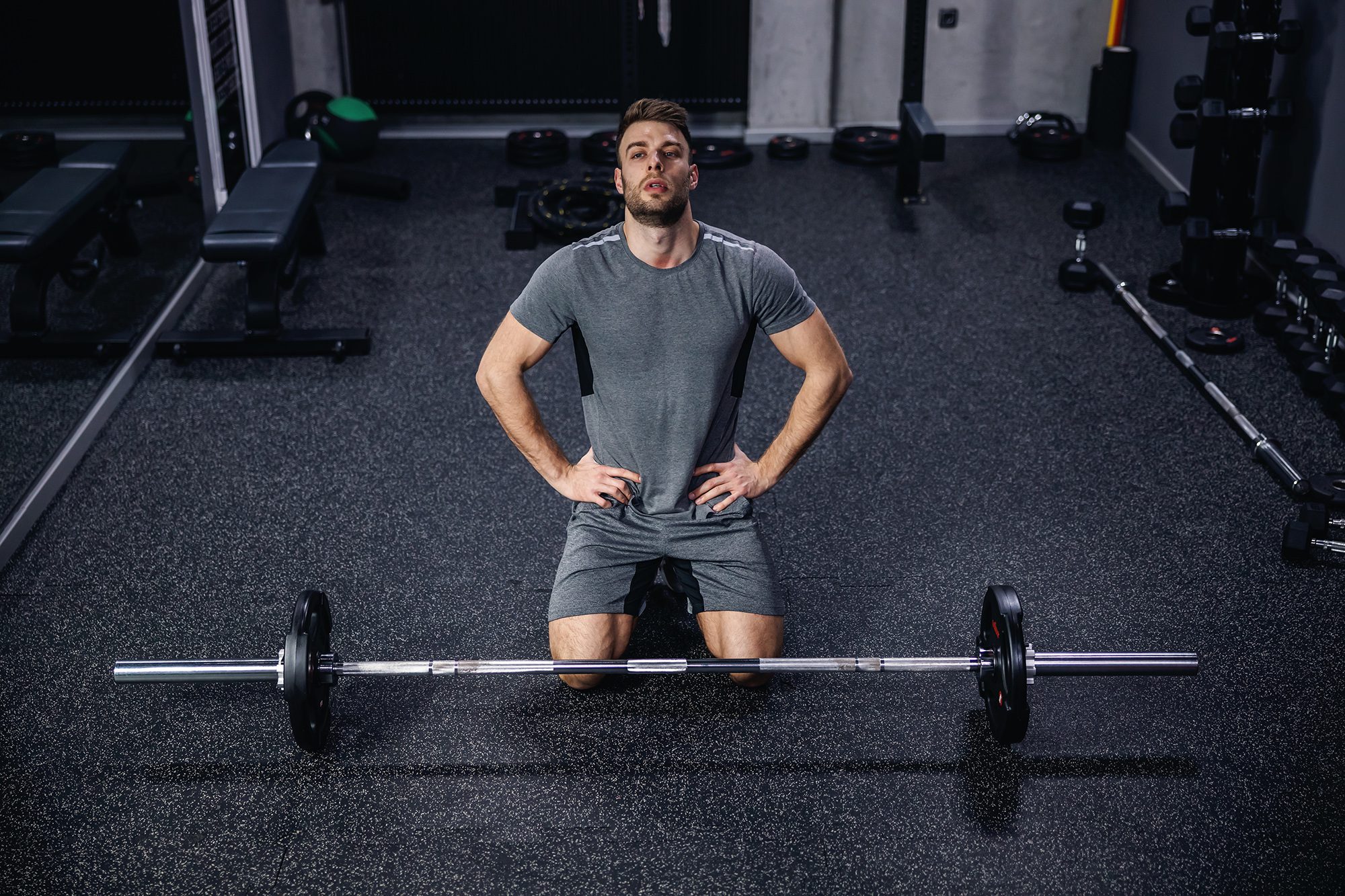
Round Four: Strength Training – For any punch to be powerful or fast, the pugilist must be strong first. The misconception with boxing training is that only the pushing muscles need to be strong: The chest, shoulders, the core, and even the legs. Not true. The ability of the posterior chain muscles, the Latissimus Dorsi, the Trapezius, the Quadratus Lumborum, the Hamstrings, and even the Gastrocnemius-soleus muscles play a critical role in the boxer’s ability to throw a punch or defend an attack. In short, boxing is a Total Body sport; your programming for strength should involve the Total body. Additionally, just like any athlete, your training protocol should employ progressive overload, as well as phases of Maximum Strength, Hypertrophy, and Endurance training.
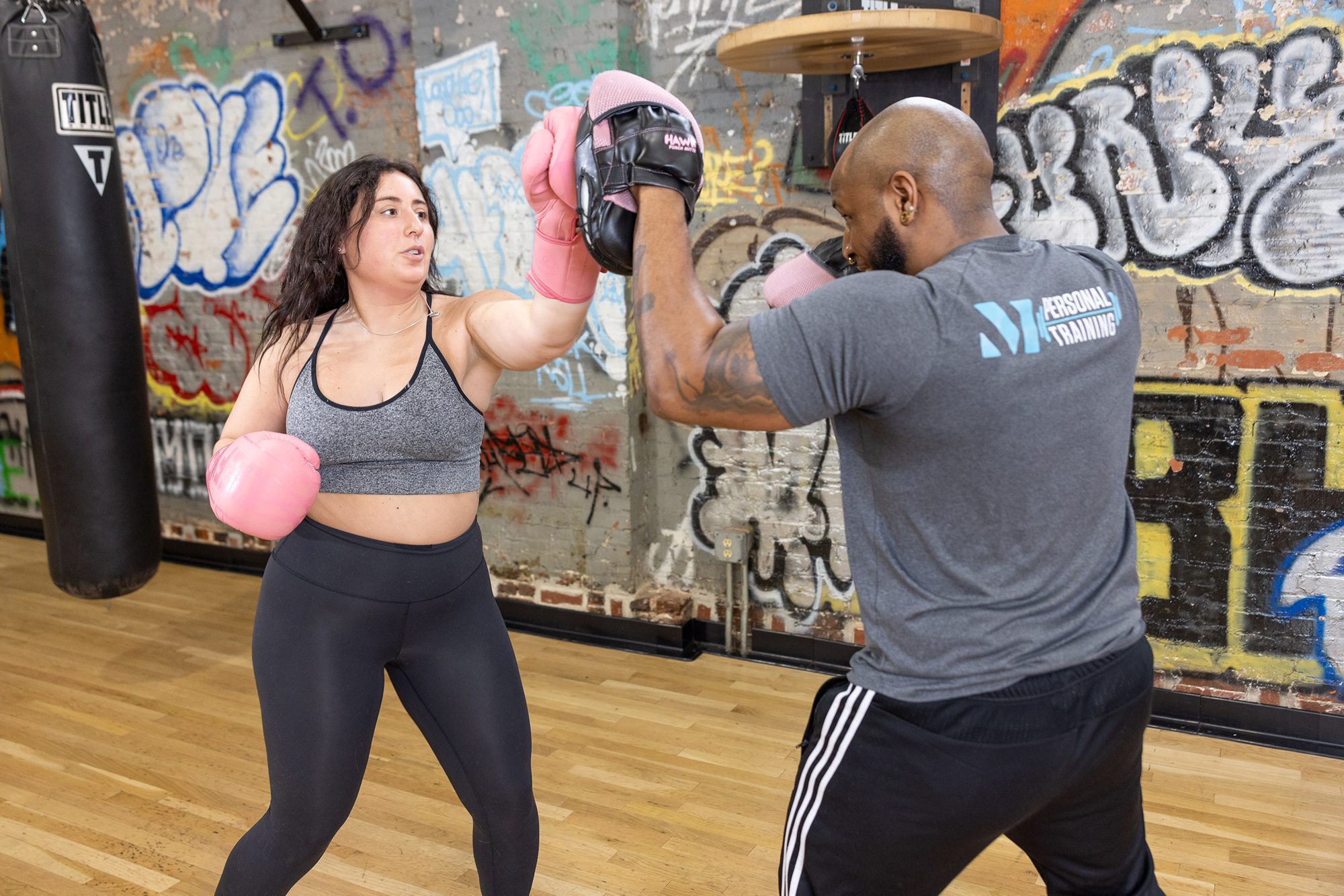
Round Five: Heavy bag or Focus mitt work – Putting everything together! This is where the “rubber meets the road”. These rounds work your coordination, heart rate, strength, endurance, along with your balance and ability to adapt to a moving target. Many boxers enjoy these rounds for the simple fact that it is an outlet to get out some aggression.
Boxing, as we have noted, is a superior form of exercise for your physical body. However, there is a benefit that many do not see, but practitioners can attest to, and this is the mental health benefits of boxing. Every aspect of boxing has been shown to help in a positive way with mental health. Globally, when you look at how boxing helps, it is enlightening. Cleveland Clinic lists the Mental benefits of Boxing: shadow boxing as a way of meditation, heavy bag work to work through anger and aggression, increased self-esteem, and reduction in anxiety and depression (“6 Health Benefits of Boxing”). If you are interested in starting boxing practice, have a conversation with your club’s fitness professional and get started today.
In good health.
Works Cited
Chambers, John. “The History And Origins Of Boxing | Evolve Daily.” Evolve MMA, 23 December 2017, https://evolve-mma.com/blog/the-history-and-origins-of-boxing/. Accessed 14 September 2025.
“6 Health Benefits of Boxing.” Cleveland Clinic Health Essentials, 16 November 2023, https://health.clevelandclinic.org/benefits-of-boxing. Accessed 15 September 2025.
Tobin, Nora. “This Jump Rope HIIT Workout Will Burn So Many Calories.” Shape, 15 June 2022, https://www.shape.com/fitness/cardio/jump-rope-workout-blast-fat-20-minutes. Accessed 14 September 2025.