Injury prevention is one of the most important parts of training and is often overlooked by many athletes. Staying healthy is the biggest reason you are capable of performing at such high levels consistently throughout a season. Female athletes in comparison to male athletes have a higher risk of injury due to their biomechanics, anatomy, hormones, movement patterns, and strength imbalances. One of the biggest examples is the prevalence of ACL tears across all female athletes. Understanding these differences is not about limitation, but about optimization. By examining the data and underlying causes, coaches, trainers, and athletes can implement more effective and targeted strategies to reduce injury risk and improve performance.
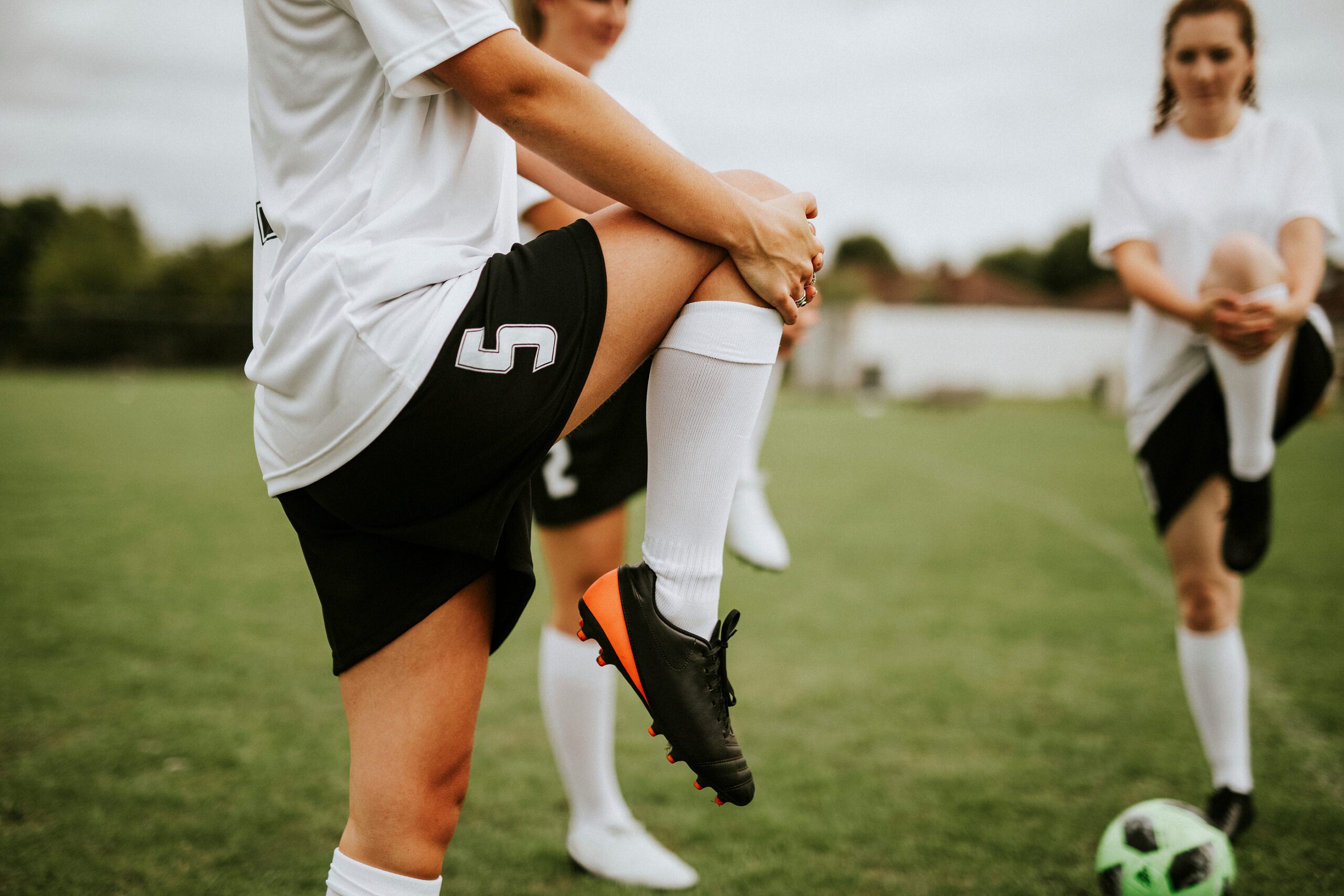
A larger meta-analysis discovered that female athletes have a higher risk of injury by 2.7 in knee injuries, 3.4 in stress fracture injuries, and a significantly higher risk of concussion than male athletes. In particular, ACL tears is the biggest gap as females are 1.5-1.7x more likely to go tear their ACL over male athletes. In sports like soccer and basketball the risk of ACL tear increases even more. One study even found that 1 in 29 females experience an ACL tear vs. 1 in 50 male athletes.
Women are built differently, move differently, have various hormonal differences and train differently- all factors that contribute to a higher rate of injury. Biomechanics is how the body moves during activity. In specific movement patterns women tend to display Knee Valgus more than males which is the act of one’s knees collapsing inward. This movement places an increased amount of stress on the knee joint and surrounding ligaments. Additionally, women struggle to land properly during jumping and have more extension vs. flexion which reduces their ability to absorb force appropriately and adds stress to the body. Secondly, a woman’s hormones fluctuate on a more frequent basis and may further contribute to further injury risk. Estrogen, in particular, has shown to influence ligament laxity, increasing joint looseness at certain points in the menstrual cycle. Finally, there are many strength imbalances between male and female athletes that contribute to an increased risk of injury. Female athletes demonstrate more quad dominance leading to an imbalance in the posterior chain during movement, causing more anterior stress on the knee joint and increased strain on the ACL.
The heightened difference in injury risk between male and female athletes emphasizes the need for more intentional and specific training strategies to help female athletes lower their risk of injury in comparison to males. The focus should target:
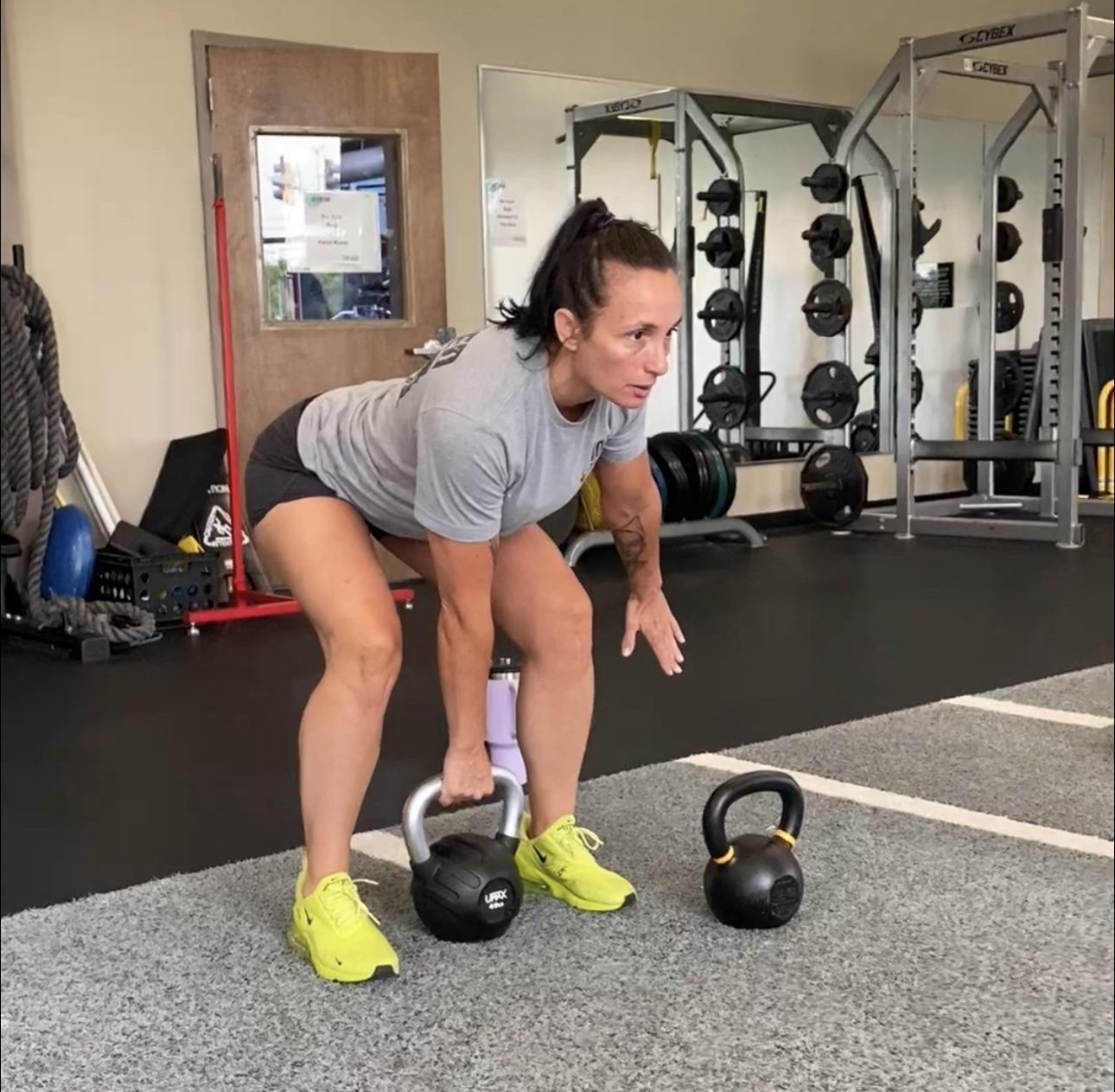
- Developing a stronger posterior chain
- Improving unilateral strength and stability
- Learning and reinforcing proper landing mechanics
- Increasing core strength and control
- Addition of neuromuscular training into strength programs
With appropriate training and attention to specifics when creating programs, the increased risk for injury and the gap between male and female athletes can be reduced. Talk to one of our certified trainers today for guidance in injury prevention.
Keegan Caffrey is a trainer at Merritt Clubs Eldersburg.